


The Complete Guide to Choosing the Right Adhesive
The Complete Guide to Choosing the Right Adhesive
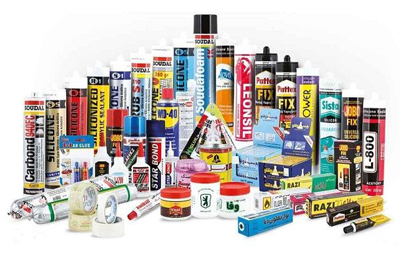
Adhesives are essential across industries, from furniture manufacturing to home repairs. Choosing the right bond ensures structural integrity and professional-grade longevity.
Types of Adhesives
1. Water‑Based
Environmentally friendly and easy to clean. Best for porous materials.
Examples: Wood glue, white school glue.
✔ Advantages
- Non‑toxic & water-washable
- Ideal for indoor/educational use
✖ Disadvantages
- Low resistance to extreme heat
2. Resin‑Based (Epoxy)
Structural adhesives created by mixing a resin and a hardener.
Use: Metal, stone, ceramics, composites.
✔ Advantages
- Superior chemical and pressure resistance
- Permanent industrial-grade bond
✖ Disadvantages
- Requires precise mixing ratios
3. Silicone
Highly flexible, rubber-like adhesives for sealing and waterproofing.
✔ Advantages
- Unmatched moisture and UV resistance
- Best for glass and bathroom fixtures
4. Hot Melt
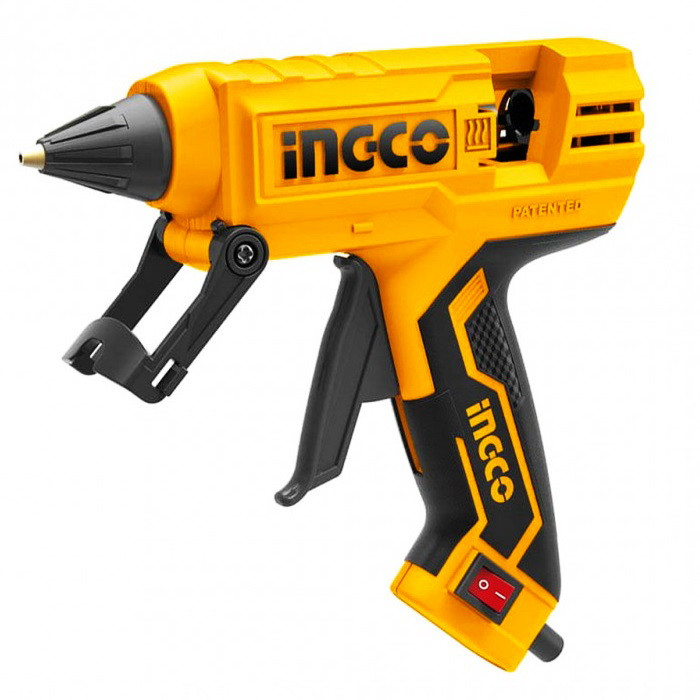
Thermoplastic sticks applied via glue gun for instant adhesion.
✔ Advantages
- Near-instant drying time
- High flexibility for crafts
Selection Checklist
- Surface Material: Identify if the substrate is porous (wood) or non-porous (metal).
- Environment: Will the bond be exposed to water, UV rays, or chemicals?
- Cure Time: Do you need an instant hold or can you wait 24 hours for maximum strength?
⚠️ Safety Guidelines
- Maintain active ventilation when using solvent-based or epoxy glues.
- Store containers in a cool, dry place away from direct sunlight.
- Wear protective gloves to avoid skin sensitization.

No comment for this post.