


Advantages and Disadvantages of Adhesive Tools
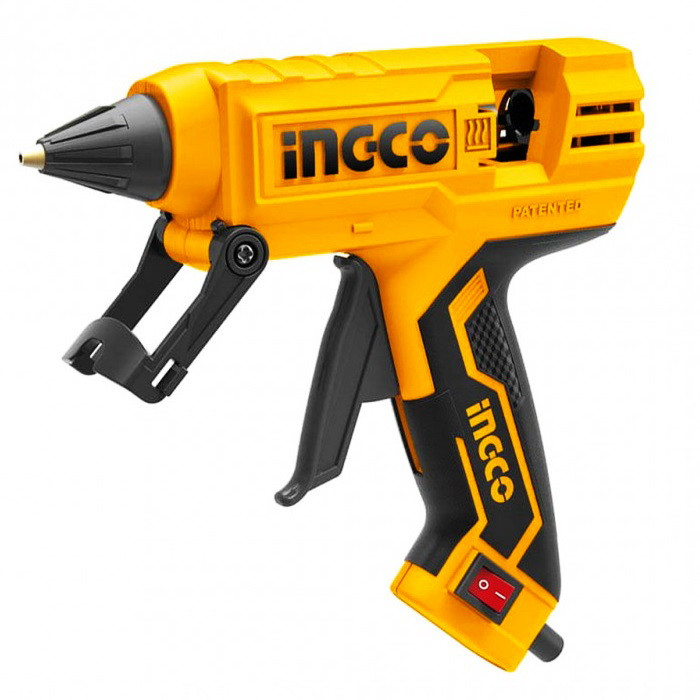
Adhesive Tools: Pros and Cons
From industrial dispensers to precision hot-melt guns, adhesive tools are the backbone of modern construction. Understanding their trade-offs is essential for professional results.
Advantages
1. Execution Speed
Rollers and injection tools allow for rapid bonding without sacrificing strength, cutting labor hours by up to 40%.
2. Cleanliness & Precision
Mechanical applicators ensure glue only goes where it belongs, keeping surfaces like luxury wood panels pristine.
3. Material Efficiency
Controlled dispensing reduces dripping and over-application, significantly lowering the total cost of materials.
Disadvantages
1. Maintenance Demands
Precision nozzles can clog permanently if high-performance glue is allowed to dry inside the tool housing.
2. Adhesive Specificity
Many tools require specific viscosities. Using the wrong glue “weight” can damage internal pump systems.
3. Power Dependency
Electric systems for epoxy or hot melt are limited by cord length or battery life in outdoor construction sites.
Final Verdict
While adhesive tools require an initial investment, the benefits in speed and precision far outweigh the costs. Fartak minimizes these drawbacks by designing smart adhesives that are easy to clean and highly compatible with modern dispensing technology.
© 2026 Adhesive Engineering Report | Fartak Industrial Solutions Group

No comment for this post.