


Best Applications of Construction Adhesives
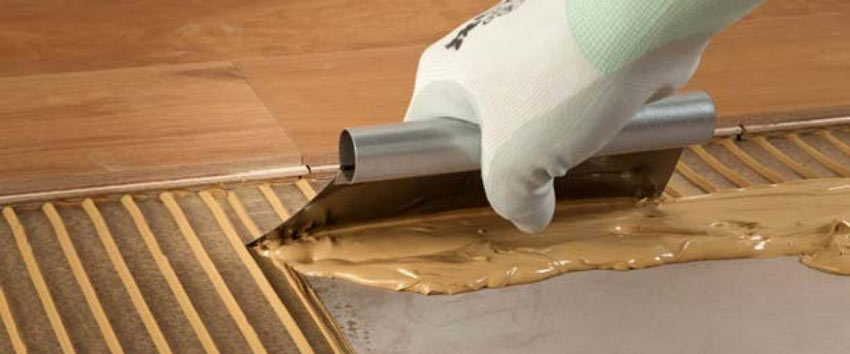
Best Applications of Construction Adhesives
1. Installing Stone, Ceramic, and Tiles
Construction adhesives designed for stone and tile—especially powder‑based or polymer adhesives—are excellent alternatives to traditional mortar.
Advantages:
- High adhesion even on smooth surfaces such as granite or porcelain
- Excellent resistance to moisture
- Faster installation compared to cement
Applications: Bathroom and kitchen floors and walls, interior and exterior facades
2. Installing Decorative Wall Panels and Luxury Claddings
Polyurethane or silicone adhesives are an excellent choice for bonding decorative panels, composite boards, and frosted glass cabinet doors by Ang Ligno.
Features:
- Preserves surface aesthetics without stains or warping
- High flexibility against temperature changes
- Compatible with MDF, PVC, and glass surfaces
3. Adhesives for Wood and MDF
In decorative and cabinetry work, resin‑based wood glue or light epoxy adhesives are commonly used.
Applications: Bonding wooden parts, door frames, cabinet edges, and furniture repair.
Advantages: Strong adhesion with no shrinkage or cracking after curing.
4. Sealing and Glass Joint Applications
Building‑grade silicone adhesives are used to seal joints between glass, metal, stone, and ceramic surfaces.
Applications:
- Around sinks and bathtubs
- Glass windows and doors
- Glass facades of towers and commercial buildings
5. Quick Repairs and Fast Bonding
Instant adhesives (such as cyanoacrylate or foam adhesives) are ideal for quick repairs of cracks or detached building components.
Examples: Fixing electrical outlet frames, repairing decorative elements, and bonding wall panel corners.
Golden Tip
Always choose the adhesive according to the surface material and environmental conditions. For example, use waterproof adhesives in damp areas such as bathrooms or kitchens, and select adhesives for decorative sections that do not alter the surface color or texture after curing.

No comment for this post.